
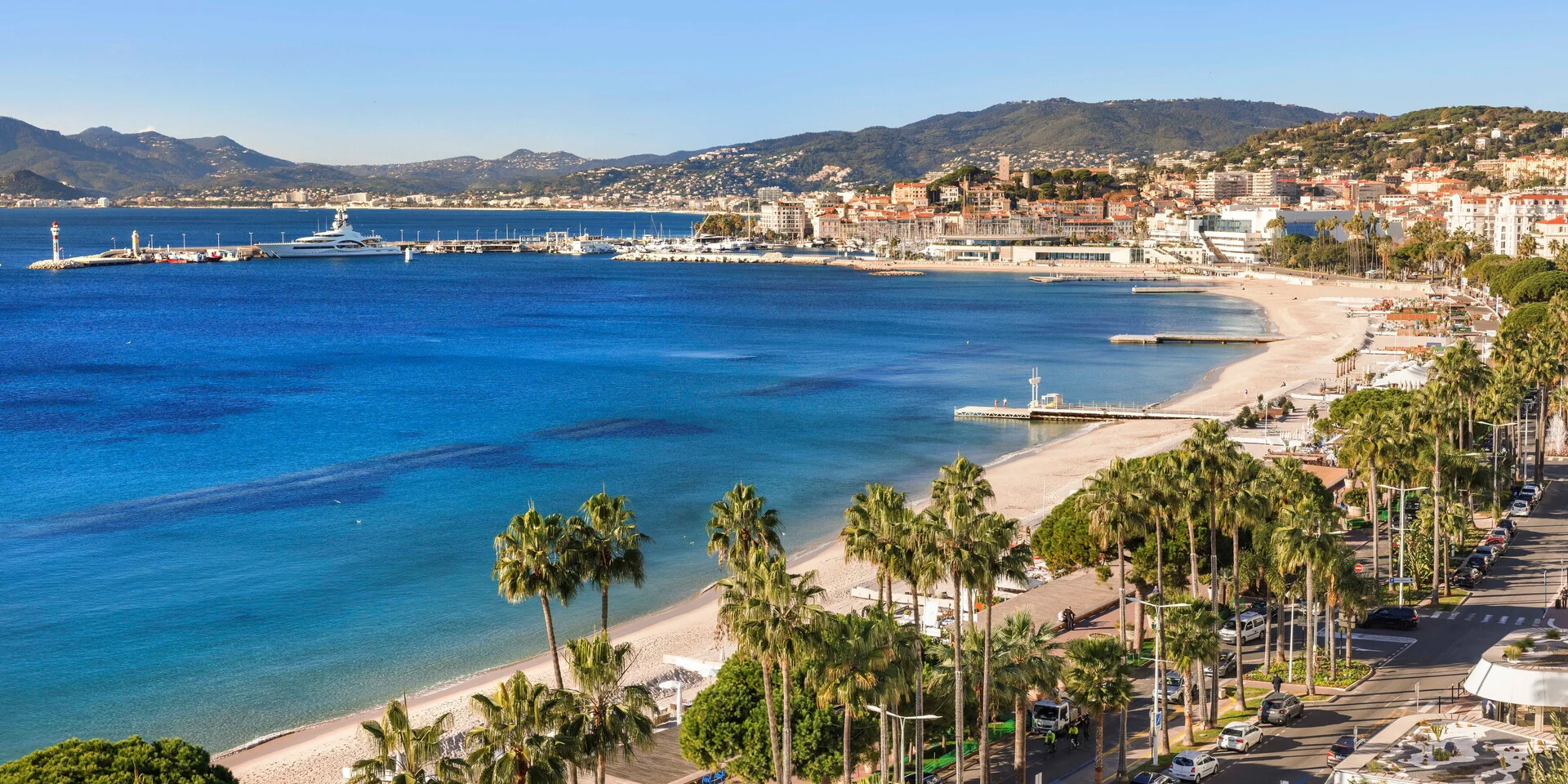
During the 18th century, both the Spanish and British tried to gain control of the Lérins Islands but were chased away by the French. The islands were later controlled by many, such as Jean-Honoré Alziary and the Bishop of Fréjus. They had many different purposes: in the middle of the 19th century, one served as a hospital for soldiers wounded in the Crimean War.
visit now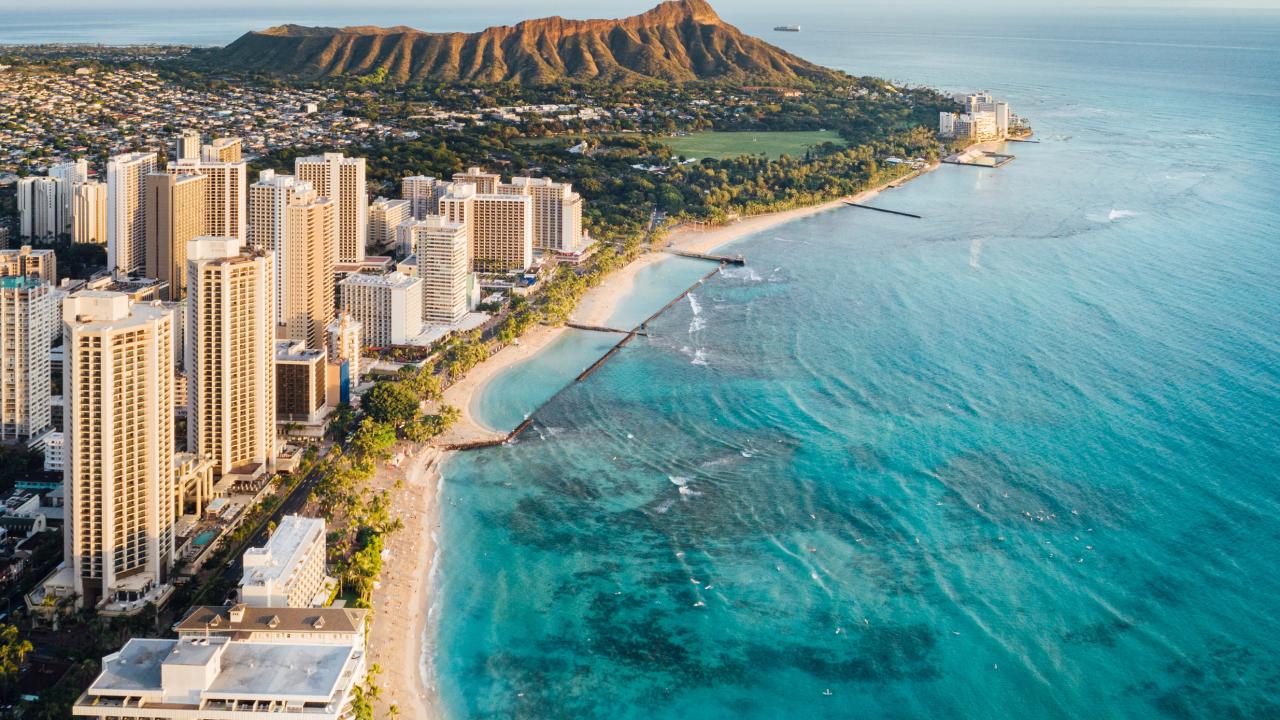
Balinese culture was strongly influenced by Indian, Chinese and particularly Kalinga Hindu culture, beginning around the 1st century AD.[30] The name Bali dwipa ("Bali island") has been discovered from various inscriptions, including the Blanjong pillar inscription written by Sri Kesari Warmadewa in 914 AD and mentioning Walidwipa. It was during this time that the people developed their complex irrigation system subak to grow rice in wet-field cultivation. Some religious and cultural traditions still practised today can be traced to this period.
Balinese culture was strongly influenced by Indian, Chinese and particularly Kalinga Hindu culture, beginning around the 1st century AD.[30] The name Bali dwipa ("Bali island") has been discovered from various inscriptions, including the Blanjong pillar inscription written by Sri Kesari Warmadewa in 914 AD and mentioning Walidwipa. It was during this time that the people developed their complex irrigation system subak to grow rice in wet-field cultivation. Some religious and cultural traditions still practised today can be traced to this period.
Balinese culture was strongly influenced by Indian, Chinese and particularly Kalinga Hindu culture, beginning around the 1st century AD.[30] The name Bali dwipa ("Bali island") has been discovered from various inscriptions, including the Blanjong pillar inscription written by Sri Kesari Warmadewa in 914 AD and mentioning Walidwipa. It was during this time that the people developed their complex irrigation system subak to grow rice in wet-field cultivation. Some religious and cultural traditions still practised today can be traced to this period.
Balinese culture was strongly influenced by Indian, Chinese and particularly Kalinga Hindu culture, beginning around the 1st century AD.[30] The name Bali dwipa ("Bali island") has been discovered from various inscriptions, including the Blanjong pillar inscription written by Sri Kesari Warmadewa in 914 AD and mentioning Walidwipa. It was during this time that the people developed their complex irrigation system subak to grow rice in wet-field cultivation. Some religious and cultural traditions still practised today can be traced to this period.
these culture was strongly influenced by Indian, Chinese and particularly Kalinga Hindu culture, beginning around the 1st century AD.[30] The name Bali dwipa ("Bali island") has been discovered from various inscriptions, including the Blanjong pillar inscription written by Sri Kesari Warmadewa in 914 AD and mentioning Walidwipa. It was during this time that the people developed their complex irrigation system subak to grow rice in wet-field cultivation. Some religious and cultural traditions still practised today can be traced to this period.
Balinese culture was strongly influenced by Indian, Chinese and particularly Kalinga Hindu culture, beginning around the 1st century AD.[30] The name Bali dwipa ("Bali island") has been discovered from various inscriptions, including the Blanjong pillar inscription written by Sri Kesari Warmadewa in 914 AD and mentioning Walidwipa. It was during this time that the people developed their complex irrigation system subak to grow rice in wet-field cultivation. Some religious and cultural traditions still practised today can be traced to this period.

Balinese culture was strongly influenced by Indian, Chinese and particularly Kalinga Hindu culture, beginning around the 1st century AD.[30] The name Bali dwipa ("Bali island") has been discovered from various inscriptions, including the Blanjong pillar inscription written by Sri Kesari Warmadewa in 914 AD and mentioning Walidwipa. It was during this time that the people developed their complex irrigation system subak to grow rice in wet-field cultivation. Some religious and cultural traditions still practised today can be traced to this period.
Honolulu is the westernmost and southernmost major U.S. city as well as the westernmost and southernmost U.S. state capital. It is a major hub for business, finance, hospitality, and military defense in both the state and Oceania.[11][12] The city is characterized by a mix of various Asian, Western, and Pacific cultures, reflected in its diverse demography, cuisine, and traditions. Honolulu's favorable tropical climate, rich natural scenery, and extensive beaches make it a popular global destination for tourists. With nearly 1.5 million visitors in 2024, Honolulu is among the ten most visited cities in the United States
explore now
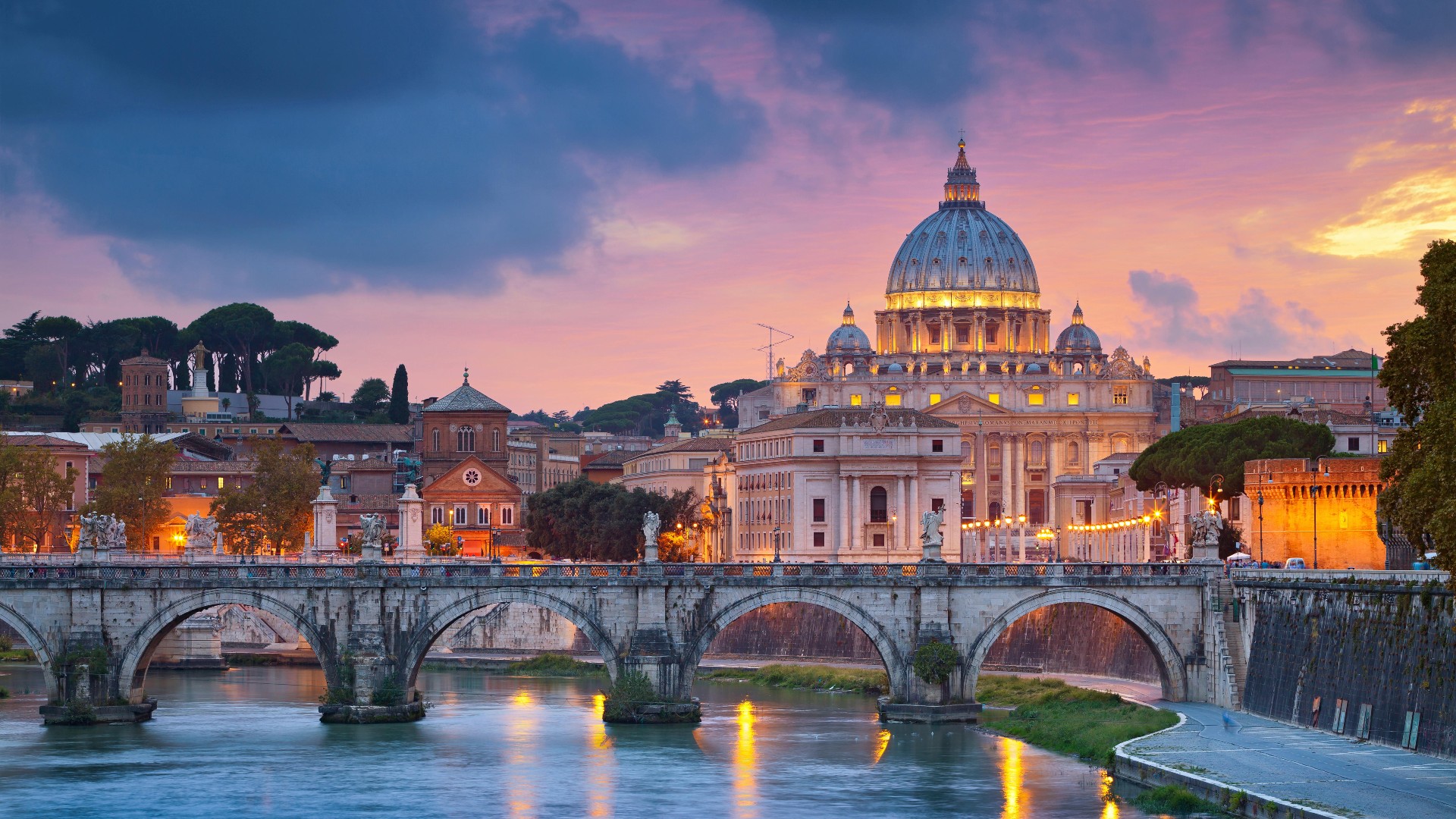
Rome is the capital city and most populated comune (municipality) of Italy. It is also the administrative centre of the Lazio region and of the Metropolitan City of Rome. A special comune named Roma Capitale with 2,746,984 residents in 1,287.36 km2 (497.1 sq mi),[3] Rome is the third most populous city in the European Union by population within city limits. The Metropolitan City of Rome Capital, with a population of 4,223,885 residents, is the most populous metropolitan city in Italy. Its metropolitan area is the third-most populous within Italy.[5] Rome is located in the central-western portion of the Italian Peninsula, within Lazio (Latium), along the shores of the Tiber Valley. Vatican City (the smallest country in the world and headquarters of the worldwide Catholic Church under the governance of the Holy See)[6] is an independent country inside the city boundaries of Rome, the only existing example of a country within a city. Rome is often referred to as the City of Seven Hills due to its geography, and also as the "Eternal City". Rome is generally considered to be one of the cradles of Western civilization and Western Christian culture, and the centre of the Catholic Church.
explore now
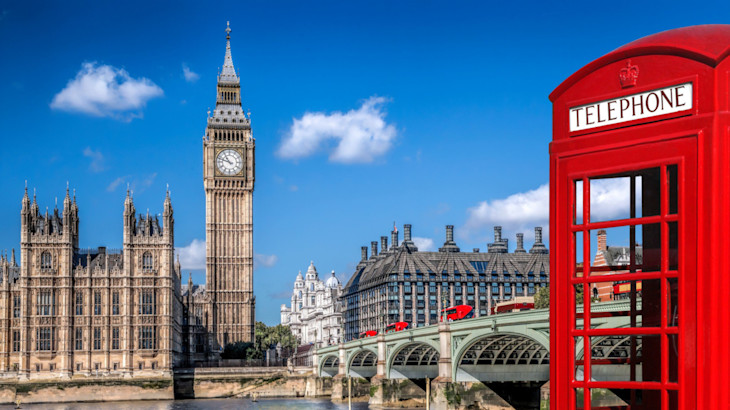
London is the capital and largest city of both England and the United Kingdom, with a population of 9.1 million people in 2024.[2] Its wider metropolitan area is the largest in Western Europe, with a population of 15.1 million.[4] London stands on the River Thames in southeast England, at the head of a 50-mile (80 km) tidal estuary down to the North Sea, and has been a major settlement for nearly 2,000 years.[7] Its ancient core and financial centre, the City of London, was founded by the Romans as Londinium and has retained its medieval boundaries.[e][8] The City of Westminster, to the west of the City of London, has been the centuries-long host of the national government and parliament. London grew rapidly in the 19th century, becoming the world's largest city at the time. Since the 19th century[9] the name "London" has referred to the metropolis around the City of London, historically split between the counties of Middlesex, Essex, Surrey, Kent and Hertfordshire,[10] which since 1965 has largely comprised the administrative area of Greater London, governed by 33 local authorities and the Greater London Authority.
explore now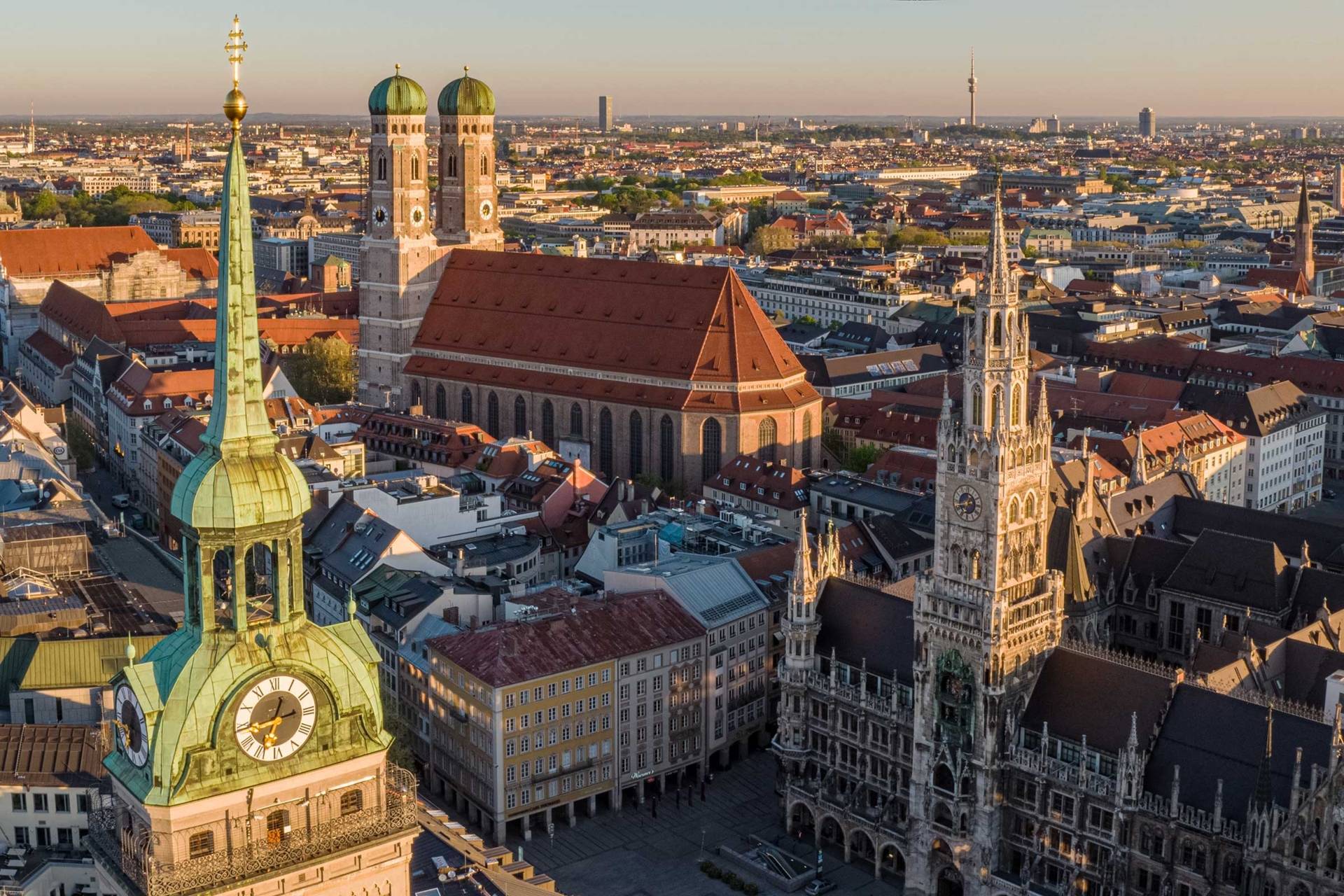
Munich is the capital and most populous city of Bavaria, Germany. As of 30 November 2024, its population was 1,604,384,[3] making it the third-largest city in Germany after Berlin and Hamburg. Munich is the largest city in Germany that is not a state of its own, and it ranks as the 11th-largest city in the European Union.
explore now
that is so awesome
kind i think like it so much

wow, this is great

the beach was so fresh

that is so cool

well that is so amazing
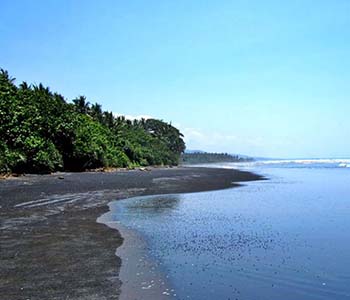
medewi beach all good to go
cannes is a wonderful place in france
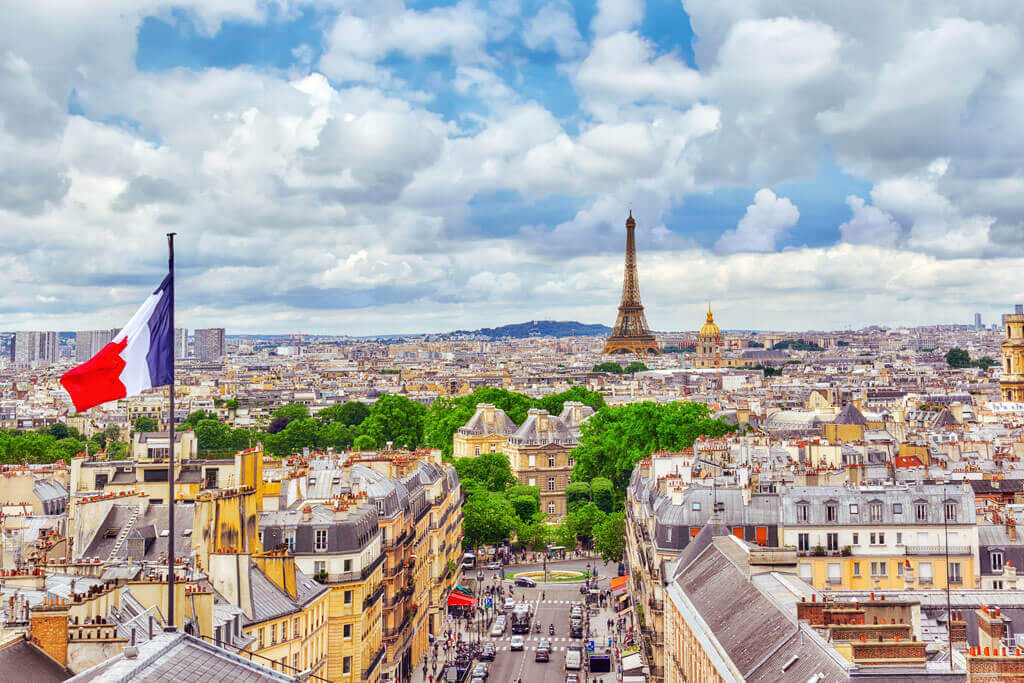
on top of paris have a best culture across of europe
(C) copyright
copyright© by world tour trip